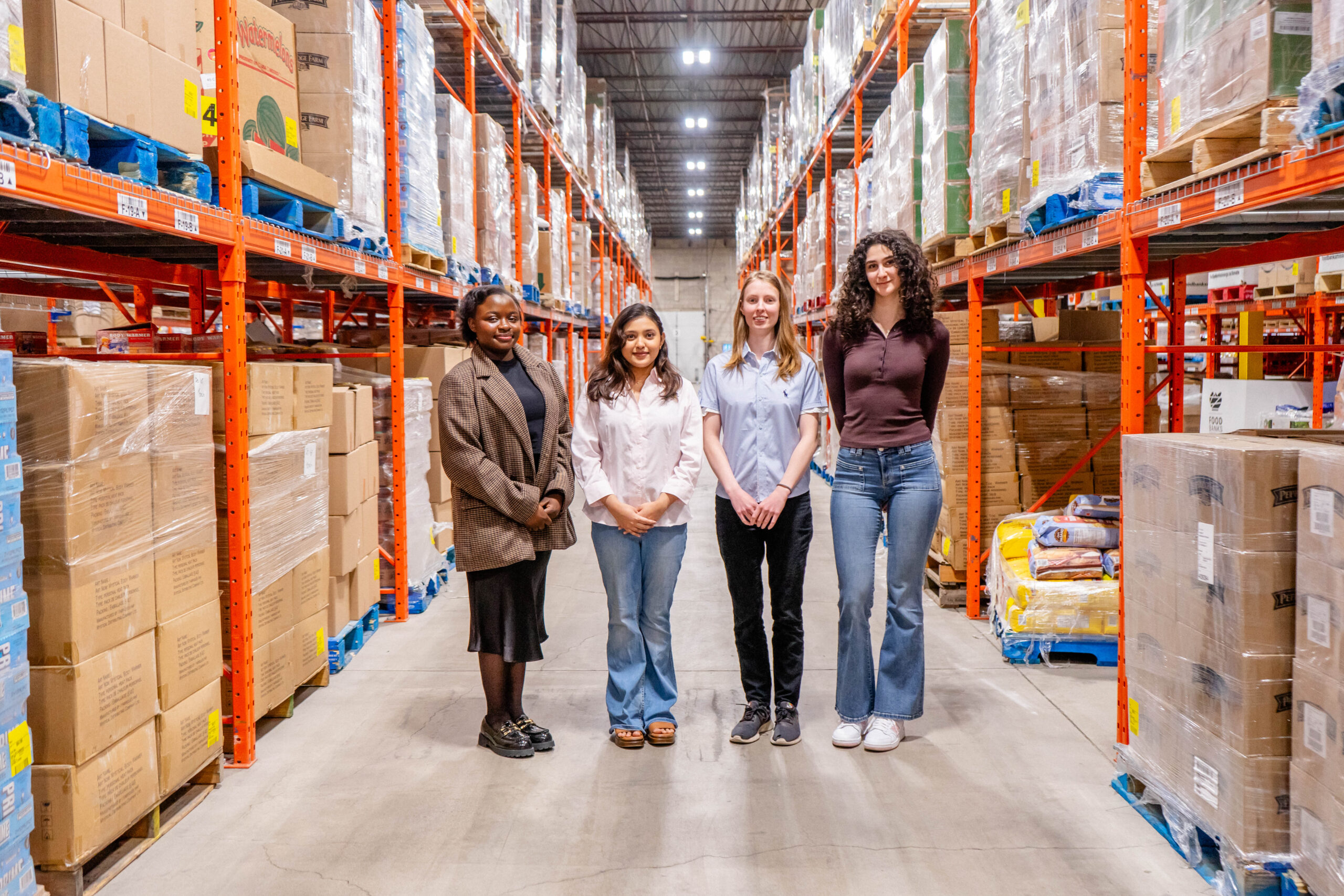
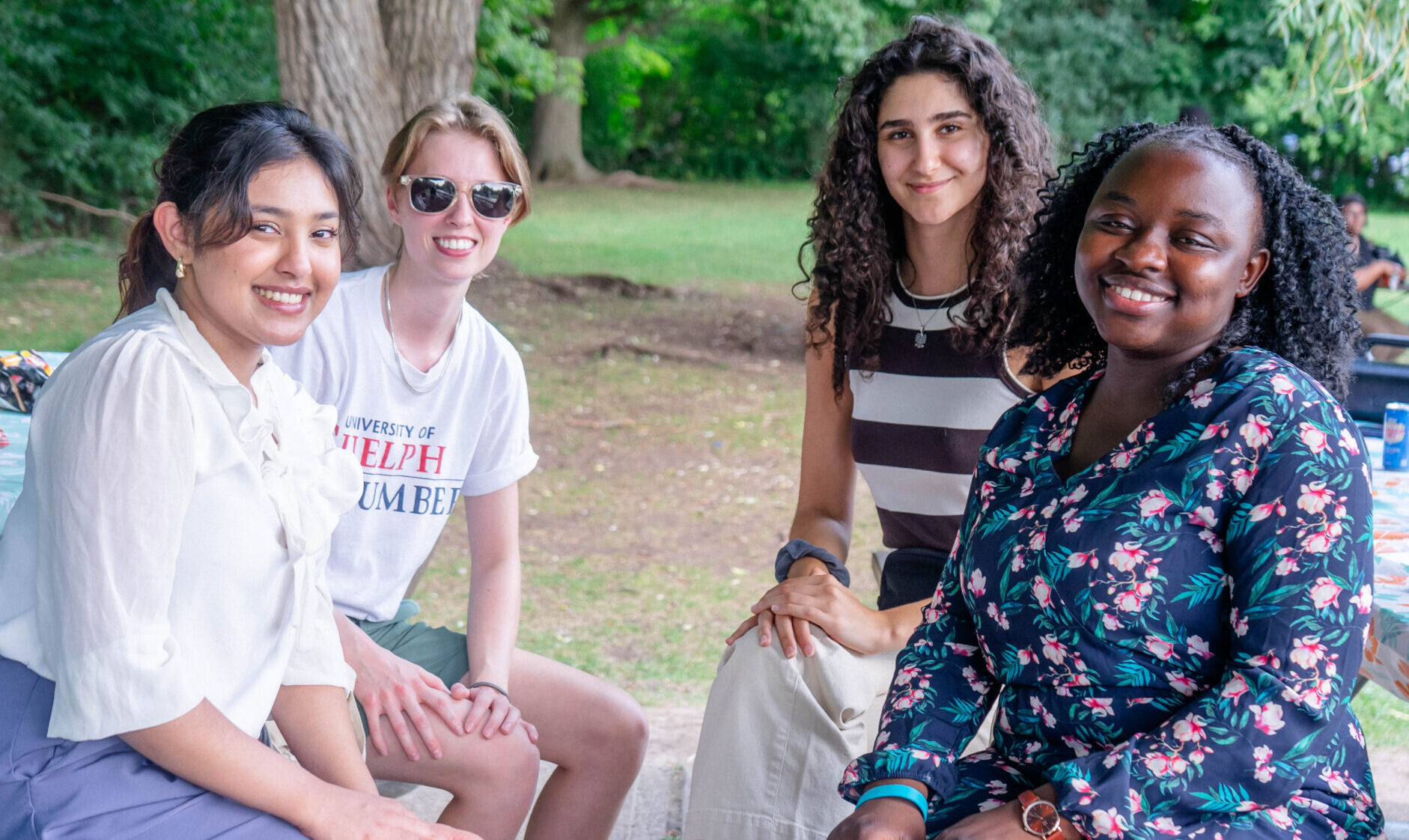
This summer, Food Banks Mississauga welcomed four amazing team members: Kate, Sadia, Maya, and Yambakam through the Canada Summer Jobs program. They each contribute in their own unique way to support the Food Banks Mississauga’s mission. From collecting stories and engaging with food bank visitors, to analyzing data and creating digital content, they stepped fully into the world of community support and food insecurity.
Two of our summer placements, Maya Akl and Sadia Tasnim, worked as part of the Programs & Agency Network team as Agency Relations Assistants. Kate Carveth and Yambakam Nyangani joined the Marketing & Communications team as Marketing Assistants. All four of our placements worked diligently to learn about our network of food programs and how we tackle food insecurity for our neighbours in Mississauga.
As their four months came to an end, we asked them to reflect and share a little about their time with Food Banks Mississauga. Their experiences opened their eyes to realities they hadn’t fully seen before, and they will carry the lessons they learned far beyond the summer. Here’s what they had to say about their time with Food Banks Mississauga:
What did a ‘typical day’ look like for you this summer, and what made it ‘not-so-typical’ at times?
Kate Carveth: A typical day for me involved visiting food programs in our network across all of Mississauga and spending time with food bank visitors. I’d interview them, capture photos, and transcribe their stories to share in marketing materials. What made my days feel less typical was the ever-changing environment at each food bank. Every site was different, some had large spaces, and others were more intimate, some had many food bank visitors, while others had fewer. Even week-to-week, the flow of people could vary greatly. So every visit brought its own vibe and pace, which kept things interesting.
Sadia Tasnim: For me, a typical day as an Agency Relations Assistant meant a lot of interaction with food bank visitors, whether meeting them on site or talking to them over the phone. Alongside that, I spent quite a bit of time working with data in Excel. But the most unique part of each day was always the conversations. Every person I spoke with had their own story, their own perspective, and I found myself inspired by their resilience and strength. Those moments gave life to the data and reminded me how varied and human every interaction was.
Maya Akl: I spent most days supporting the data collection process, training volunteers who were gathering information from food bank visitors and keeping track of their progress. After collecting data, I’d dive into analyzing it and writing detailed reports for each agency member. I also often stopped by the warehouse, reconnecting with the operations team since I had volunteered there before my placement. Occasionally, not-so-typical days involved jumping in with the marketing team, sometimes helping film videos or collaborating with students from that team, which was a fun change of pace.
Yambakam Nyangani: My days started with getting ready and heading to my desk, whether I was in the office or working from home. I’d clock in and review my to-do list, then dive into content creation, communications, or prepping events. But what made some days stand out were the moments I got to step outside my usual workflow to tag along on organization events, join community outreach visits, or shadow teams in areas I hadn’t seen before. Those days felt like getting a raw, real-time glimpse behind the scenes, connecting with the individuals and organizations that power our work.
“It’s not just about handing out food; it’s about compassion, dignity, and making sure no one is left behind.”
-
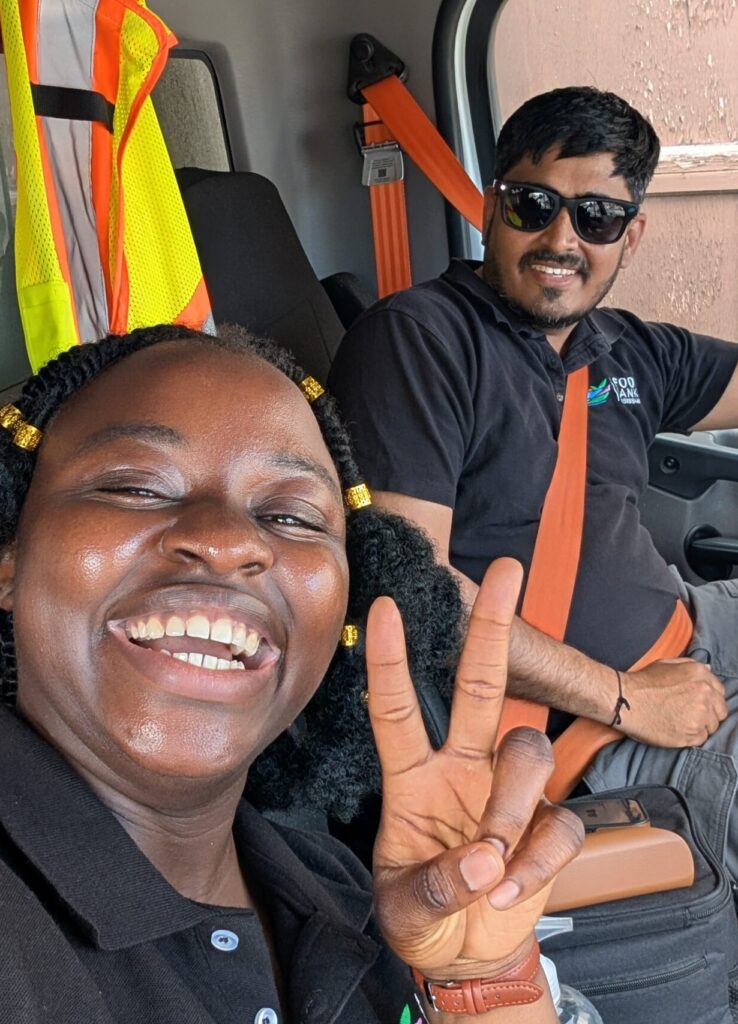
- Yambakam with Nik, one of our truck drivers.
-
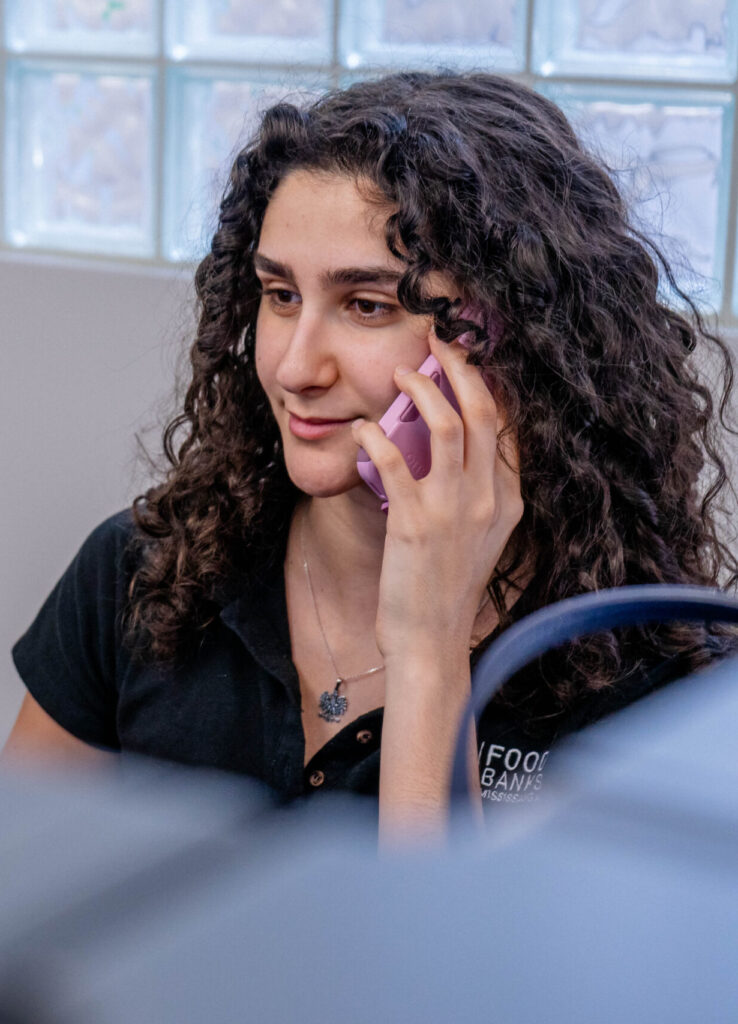
- Maya conducting food bank visitor surveys.
What was something you thought you knew about food banks, but experienced differently once you joined Food Banks Mississauga?
KC: Before working at Food Banks Mississauga, I thought I had a basic understanding of food banks. But once I started, I realized I didn’t truly grasp what a food bank environment looked like or who an “average” food bank visitor really was. One of the most common misconceptions I encountered was that all food bank visitors are experiencing homelessness. While I did meet visitors facing homelessness, the majority were not. That challenged my assumptions and broadened my perspective about the people who rely on food banks.
ST: I used to think food banks were mainly about handing out food to people in need, but Food Banks Mississauga showed me it’s so much more. For example, programs like Client Connect provide social support by engaging with clients who might not have anyone else to talk to. There’s also the ReclaimFresh program, which rescues fresh produce that might otherwise go to waste and redistributes it. These programs made me realize the breadth of ways food banks support individuals beyond just food distribution.
MA: Before I joined Food Banks Mississauga, I assumed food banks were just about providing food relief. But I learned that they are much more than that, they’re places of community connection that offer dignity, respect, and support for people navigating complex and difficult challenges. Food Banks Mississauga doesn’t just respond to hunger; it also tackles food insecurity at its root causes. That’s why collecting and analyzing data is so important, it provides the evidence needed to advocate for better policies and systemic change.
YN: I always knew food banks provided food to those facing food insecurity, but being at Food Banks Mississauga showed me how much more goes on behind the scenes. I was amazed at the logistics, partnerships, and intentionality involved in serving people, especially those who can’t physically reach the food banks. The organization flipped the script of accessibility: It’s not just about handing out food; it’s about compassion, dignity, and making sure no one is left behind.
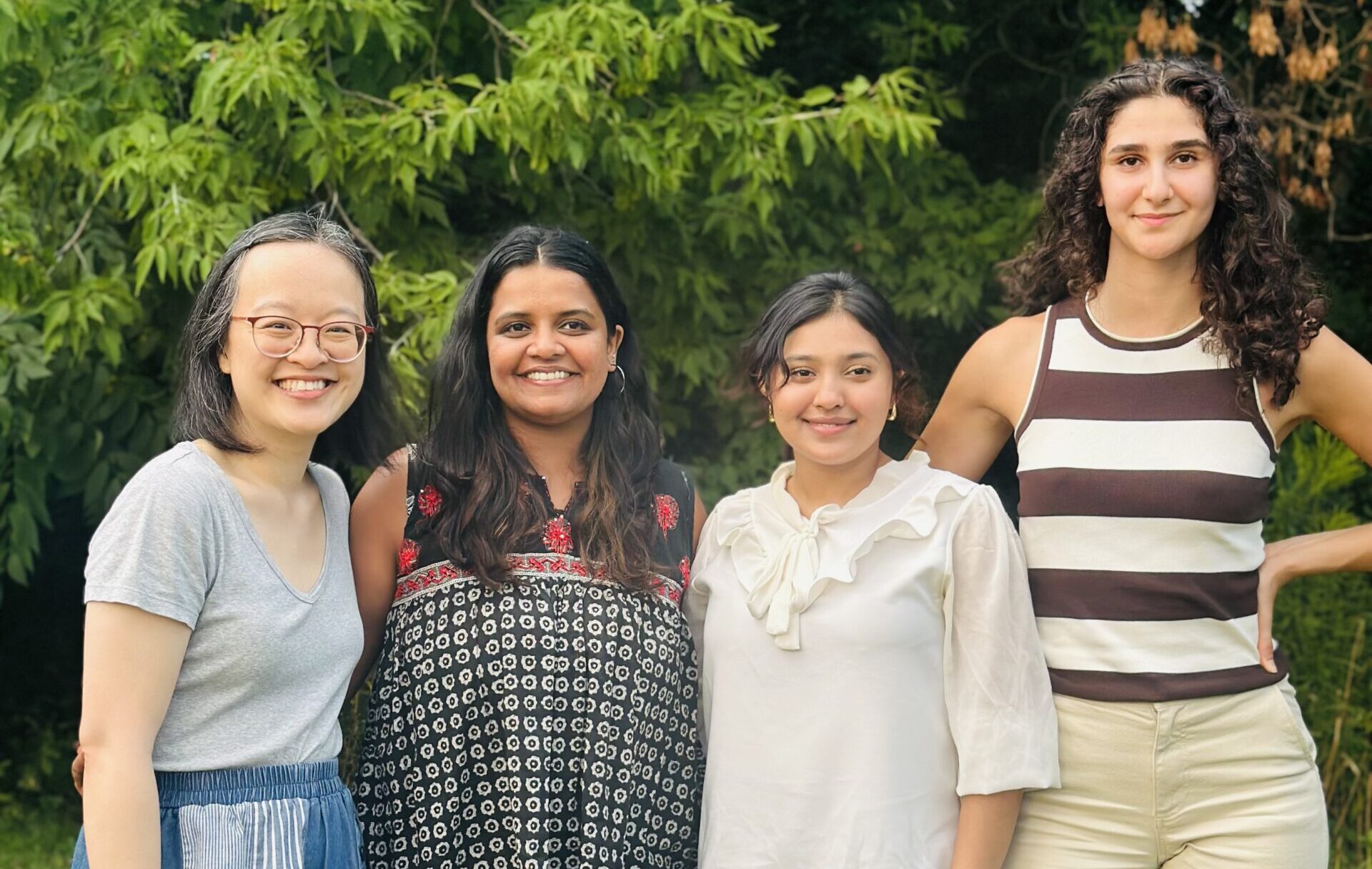
Sadia and Maya with Victoria (far left) and Rini (second from left), two members of the Programs team.
“Every day I come home feeling deeply grateful that I don’t have to worry about where my next meal will come from or if I’ll have a roof over my head. That sense of gratitude and empathy is something I didn’t expect to gain but now carry with me.”
What’s one skill, value, or mindset you’re leaving with that you didn’t expect to gain?
KC: Talking with so many different people changed my perspective on life. Hearing real stories from people who are struggling face-to-face is an entirely different experience from reading about poverty in the news or watching videos. It’s humbling. Every day I come home feeling deeply grateful that I don’t have to worry about where my next meal will come from or if I’ll have a roof over my head. That sense of gratitude and empathy is something I didn’t expect to gain but now carry with me.
ST: One key value I’m taking away is the power of kindness. Some food bank visitors told me they rarely experience positive interactions and were genuinely grateful just to be listened to. It showed me that even a small gesture: a kind word, a genuine conversation, can completely change someone’s day. That lesson about human connection and kindness will stay with me.
MA: I learned a lot about the importance of emotional boundaries and self-care. This work can be emotionally challenging, and I had to figure out how to manage the emotions I was absorbing from others without becoming detached or overwhelmed. I realized that to truly support others, I need to take care of my own well-being too. That balance is essential and something I’m still learning.
YN: I’m leaving with a renewed faith in humanity. It’s easy to become cynical in today’s social climate, but seeing a place powered by donations and passionate volunteers reminded me there’s still so much good in the world. It inspired me to stop just pointing out what’s wrong and instead be part of the change by taking action in the ways that are within my control.
“The task that stuck with me was a call with an elderly woman living in a long-term care home. She hadn’t had anyone to talk to for over a month, and my call, originally just to complete a survey, meant a lot to her because it reminded her of the importance of human connection.”
Was there a conversation, task, or project that left a lasting impression on you? What made it meaningful?
KC: One story I’ll never forget is a conversation with a mother of six who was experiencing homelessness after her family was evicted. She and her kids had been living in their car and later a motel. She was so reserved when I first met her, but agreed to share her story. Her strength and vulnerability were indescribable. After our conversation, she gave me a hug. That moment stayed with me, and I hope she’s doing okay wherever she is now.
ST: The task that stuck with me was a call with an elderly woman living in a long-term care home. She hadn’t had anyone to talk to for over a month, and my call, originally just to complete a survey, meant a lot to her because it reminded her of the importance of human connection. It made me reflect on how many people around us might feel lonely or unheard. That simple conversation fulfilled a deep need.
MA: There wasn’t one single moment, but a pattern I noticed during my site visits. I met people carrying a lot on their shoulders: food insecurity, unemployment, health issues, fear of losing their homes, but they still smiled. Despite their struggles, their positivity was almost always present. That resilience inspired me to be more grateful and to try to stay optimistic even during uncertainty.
YN: The “Truck Ride Along” was a highlight for me. I got to share live updates on social media, make videos, and write blog posts about the various stops. It was an eye-opening experience connecting the dots for the team and the community, showing the faces behind the emails, the locations they hadn’t seen, and the local efforts fighting food insecurity. It felt rewarding to be part of telling those stories in real time.
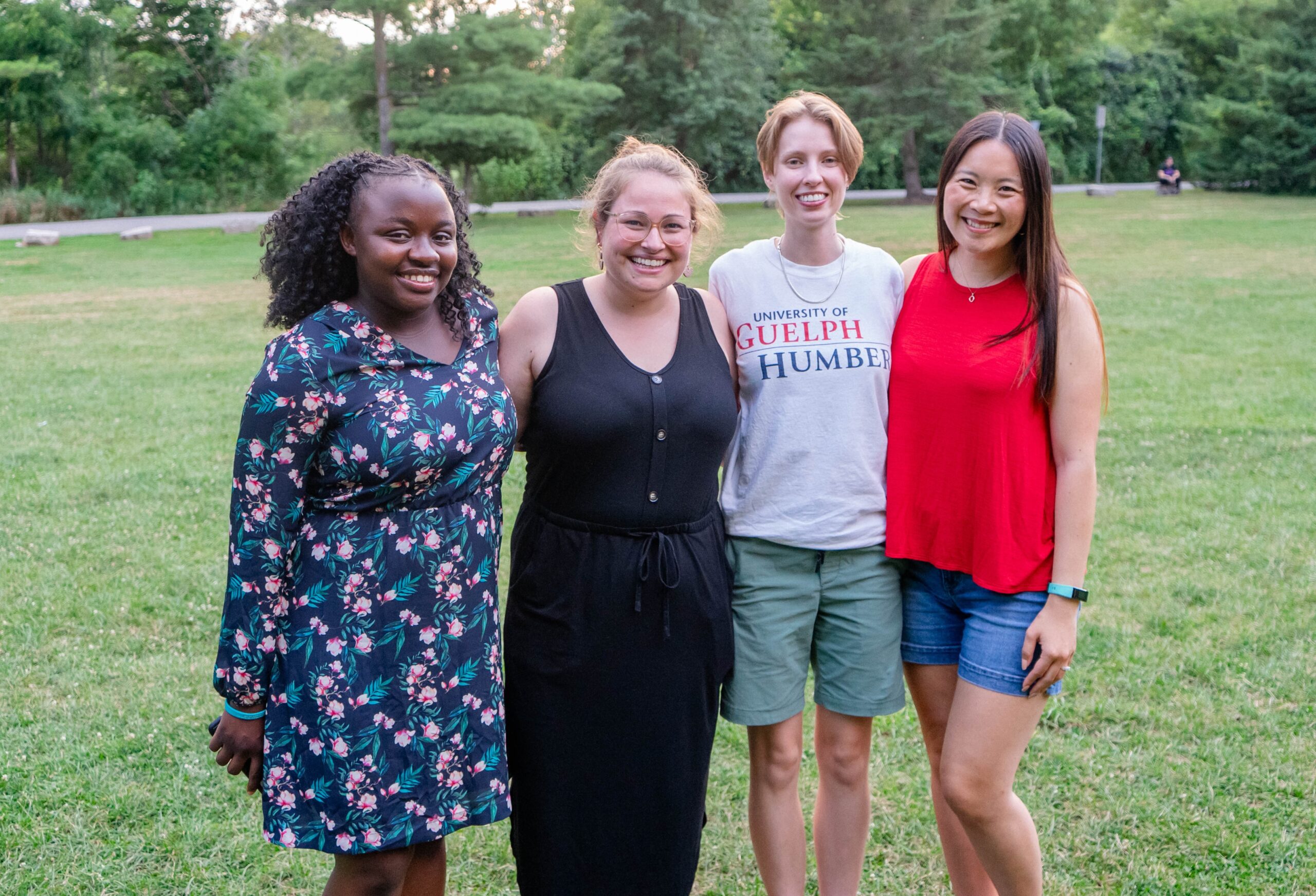
Yambakam and Kate with Jenna (second from left) and Daisy (far right), two members of the Marketing team.
What was the biggest challenge you faced during your placement, and how did you navigate it?
KC: The hardest part was feeling helpless. Hearing the deep struggles of food bank visitors and not being able to do much beyond listen or share resources was tough. Sometimes it felt like it wasn’t enough, but I reminded myself that being a listening ear and connecting people to support still mattered.
ST: Difficult conversations with food bank visitors were challenging, especially since many had experienced trauma or ongoing hardships. Our supervisor’s training was invaluable, teaching me how to listen empathetically and share resources that could help. It was heartbreaking, but knowing they felt heard made a difference.
MA: Managing the emotional toll was my biggest challenge. I had to find ways to process the stories I heard without letting it overwhelm me. Setting boundaries and seeking support from the team helped me stay present and effective in my role.
YN: Adjusting to the fast pace and shifting priorities of community work was sometimes overwhelming. No two weeks were the same. I learned to stay flexible, keep my to-do list dynamic, and ask questions when things changed. That mindset helped me turn uncertainty into momentum instead of stress.
If your experience at Food Banks Mississauga were a photo, what would be in the frame?
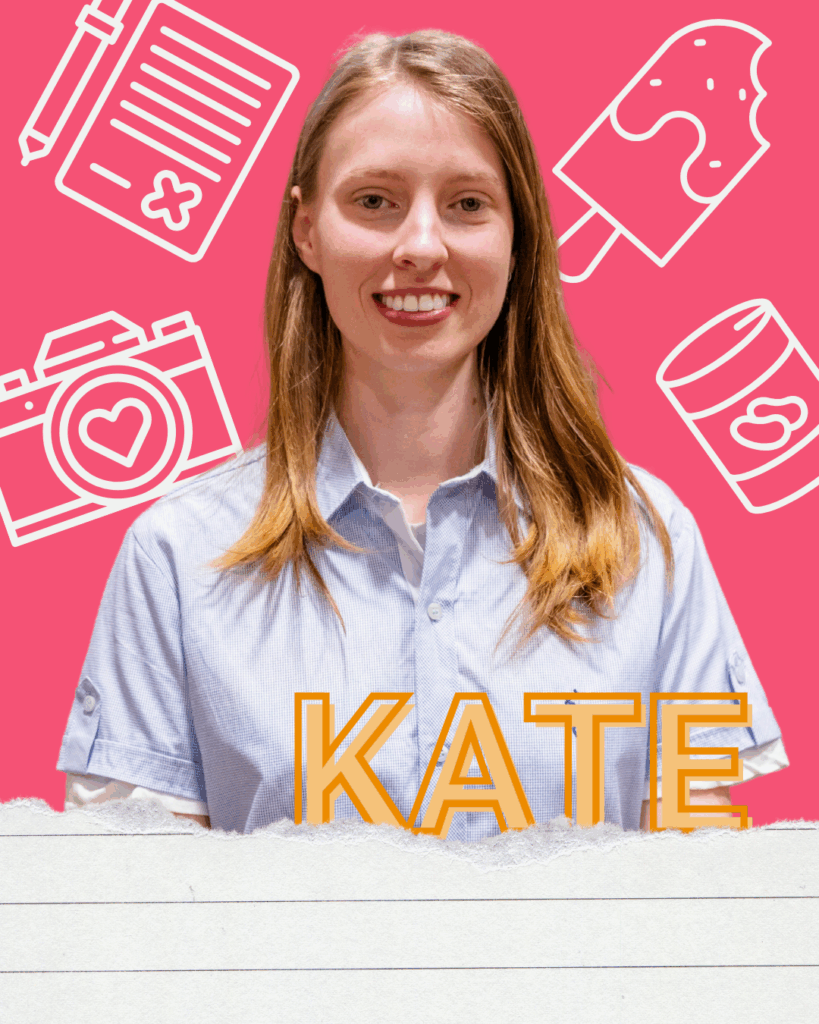
KC: A simple but meaningful frame: a can of beans, my camera, some popsicles, and a waiver form items that represent the many sides of my role.
ST: I’d be in a selfie with all the wonderful volunteers I worked with, me smiling, holding binders filled with survey tools in different languages, and proudly wearing our Food Banks Mississauga volunteer badges.
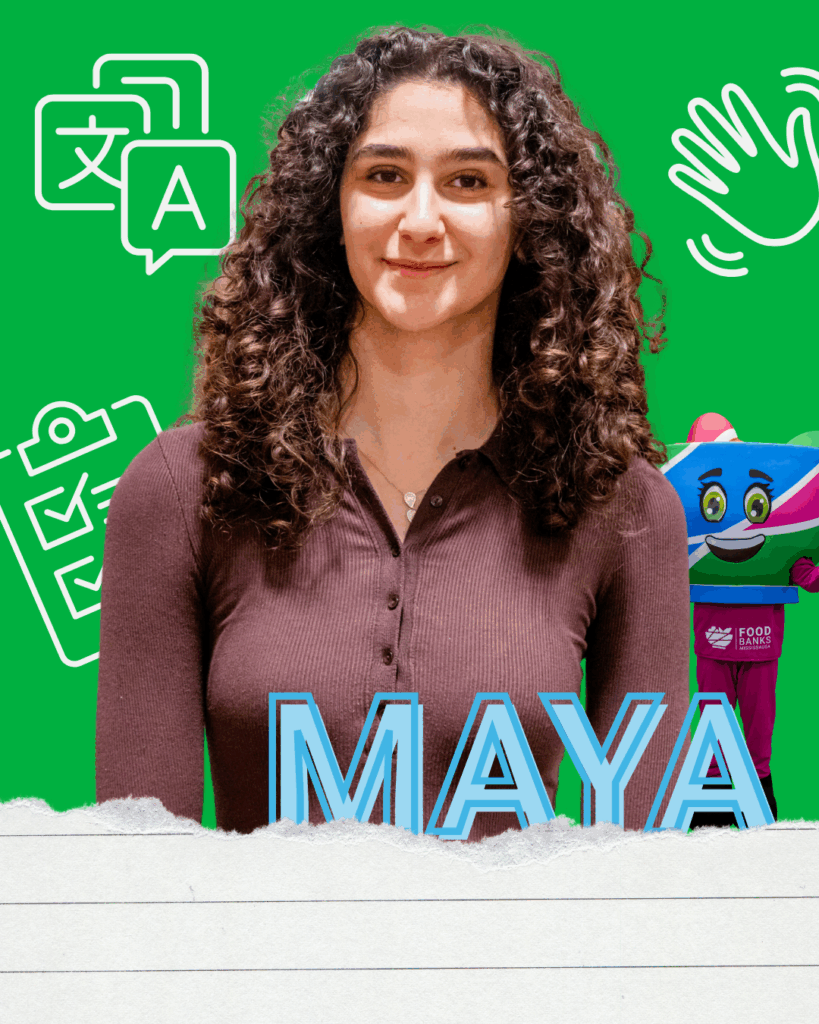
MA: The scene would be a bit chaotic but full of life: the Agency Relations team chatting, volunteers and the operations team waving in the background, and of course, Bowlina making her cameo because it wouldn’t be complete without her.
YA: It would be a wide shot of the warehouse, me in the middle with my camera, surrounded by volunteers, my laptop open with drafts and research, and my phone ready with CapCut edits, TikTok videos, and Instagram stories.


“We need to change the narrative so that no one feels unworthy of help.”
Are there any community issues, stories, or insights that you feel more passionate about now because of this placement?
KC: I’m more aware than ever how food insecurity touches every part of a person’s life. Without access to food, so much else becomes unstable. It’s a foundation that everyone deserves, but not everyone has.
SA: Loneliness stood out to me as a serious community issue. Many people who rely on food banks also feel isolated or without strong social support. I’m passionate about finding ways to create more connections and spaces where people feel heard and supported.
MA: I want to fight the stigma around food insecurity. I heard people judge food bank visitors based on appearances, like what car they drive, but that doesn’t show the whole picture. We need to change the narrative so that no one feels unworthy of help.
YN: Storytelling, especially through video, became a passion for me. Stories aren’t just extras, they’re powerful tools that connect people emotionally and inspire real change. Sharing stories helps multiply impact.
Any final reflections, unexpected lessons, or shout-outs you’d like to share?
KC: I want to shout out to the Food Banks Mississauga team. The positive and caring culture here made this experience truly special. Working here confirmed that non-profit is where I want to be.
ST: I’m so grateful for the supportive environment at Food Banks Mississauga. Everyone motivated me to go beyond what was expected. The community here is inspiring.
MA: Thank you to the Agency Relations team and all the food bank visitors who shared their stories. Your strength fuels my passion for advocacy.
YN: To the volunteers, clients, and Food Banks Mississauga team, thank you for welcoming me and letting me share your stories. This summer has been eye-opening and inspiring.
Make a Difference
There’s lots of work to be done in the fight for food security in Mississauga. Click here to find out how you can join us in making a difference for your neighbours experiencing hunger today.